What Is a Date Coding Gun? Types and How to Choose
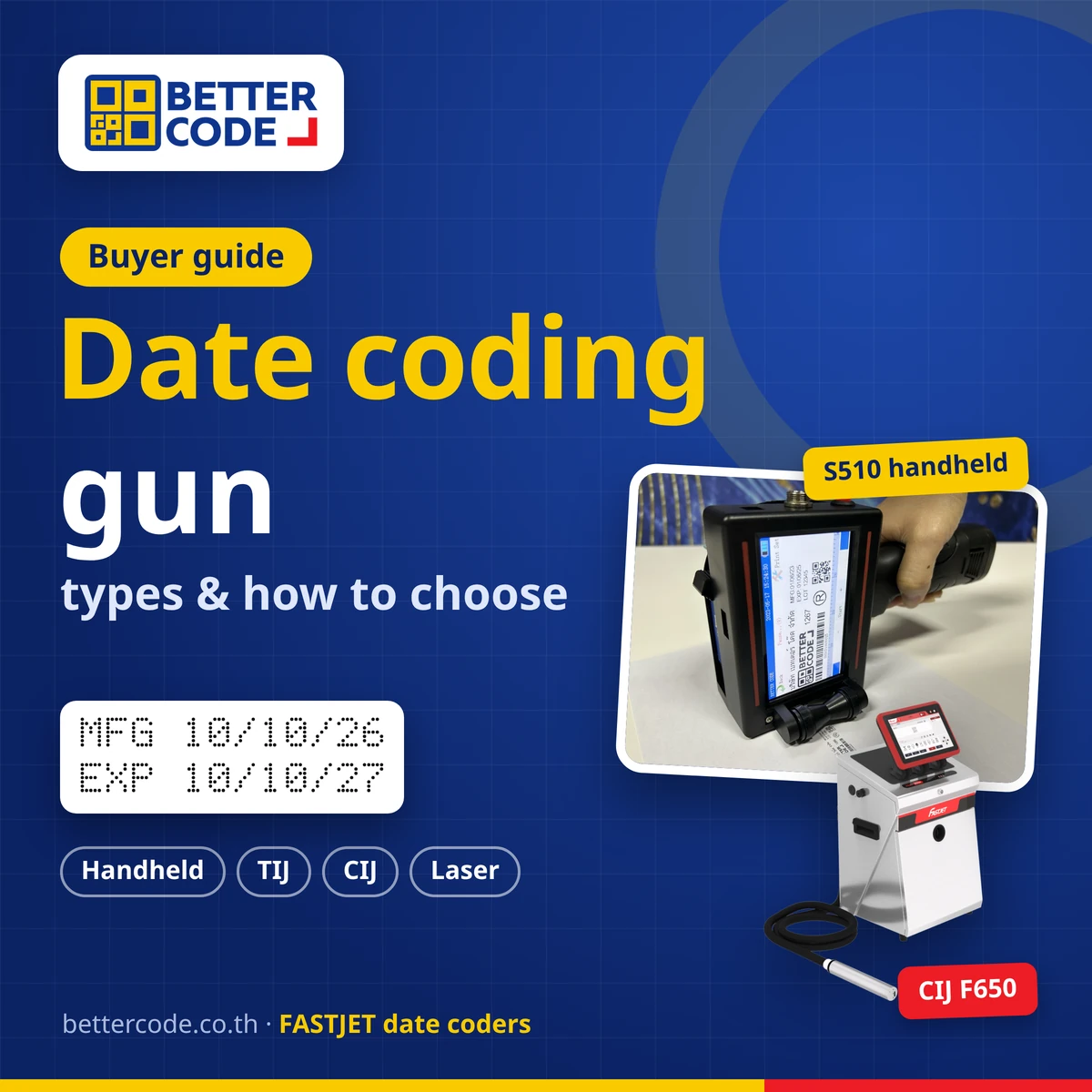
A date coding gun (date coder) is a machine that prints manufacturing dates, expiry dates and lot numbers on products and packaging. Many people picture a handheld inkjet printer that you slide across the pack, but in factories the term also covers coders fixed to a conveyor, such as TIJ, CIJ and laser. Choose by four things: production volume, material, the text you need and how durable the code must be, then test on your real product before you buy.
What is a date coding gun?
A date coding gun, also called a date coder or date coding printer, prints production data on products, such as the manufacturing date (MFG), expiry date (EXP), best-before date (BBF) and lot number (LOT). Some models also print text, logos, barcodes and QR codes. It is called a “gun” because most inkjet coders fire ink drops onto the surface without touching it, so they can print on cartons, pouches, bottles and curved surfaces.
“Date coding gun” and “date coding printer” describe the same group of equipment. For the meaning of label codes, see Label date abbreviations: MFG, EXP, BBF, LOT and more and Manufacturing, expiry and best-before dates explained.
Types of date coding guns
| Type | How it works | Best for | What to know |
|---|---|---|---|
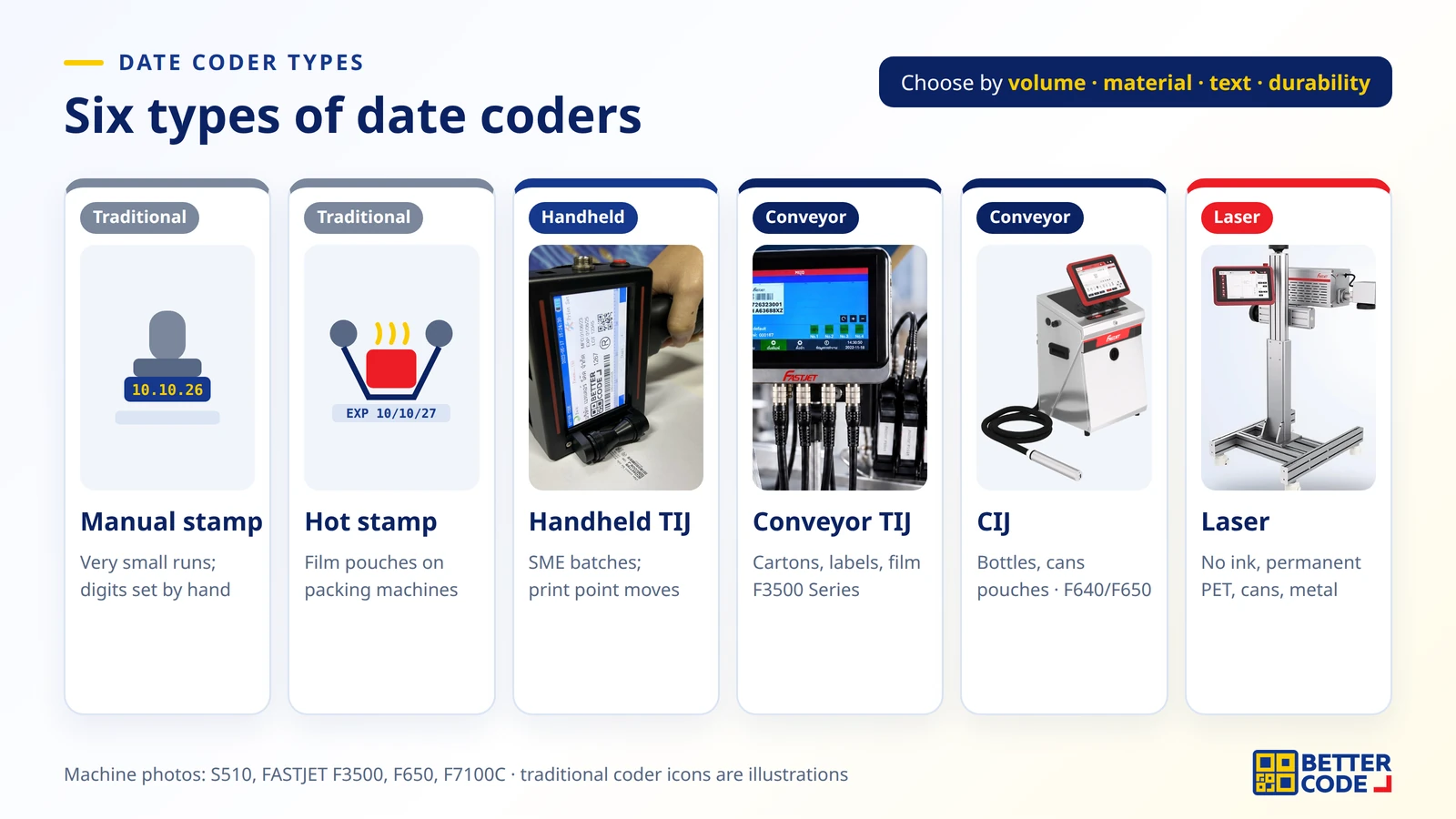
| Manual date stamp | Pressed by hand, one item at a time, with an ink pad or roller | Very small quantities | Digits are changed by hand; print quality depends on the operator |
| Hot stamp coder | Heated type presses through a ribbon onto film or labels | Film pouches on packing machines | Type usually has to be rearranged to change the text (depends on model) |
| Handheld TIJ | Slide the printer across the product; cartridge print head | SME batches, print points that move | Consistency depends on how the printer is held and moved |
| Conveyor TIJ | Products pass a fixed cartridge print head | Cartons, labels, film | Keep the head-to-product distance stable |
| CIJ (Continuous Inkjet) | Continuous non-contact ink jet | Bottles, cans, pouches, curved surfaces, fast lines | Choose ink by material; service the ink system on schedule |
| Laser marking | A beam marks the surface, with no ink | PET, cans, metal, permanent codes | Match the laser type to the material and test on real parts |
1. Manual stamps and hot stamp coders
Date stamps and hot stamp coders are where many factories start. They suit jobs where the text rarely changes and quantities are low. The drawback is that digits are changed by hand, which risks wrong dates when the lot changes, and they cannot print barcodes or QR codes.
2. Handheld date coding guns
A handheld TIJ inkjet printer lets you set the text on a screen and slide the printer across cartons, pouches or labels. Dates and lot numbers update from the printer clock or your settings. An example is the S510 handheld date printer (4.3-inch touch screen, 12.7 or 25.4 mm print height depending on the head, QR code printing). To start handheld and add a conveyor later, see the S500 conveyor kit. For a detailed guide, read Handheld date coding printers for SMEs.
3. Conveyor date coders: TIJ and CIJ
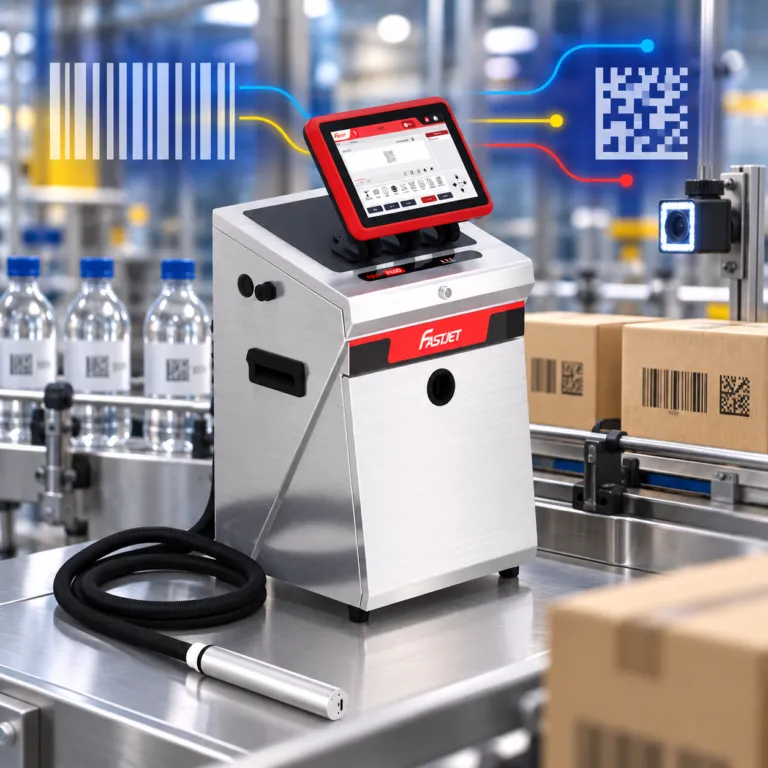
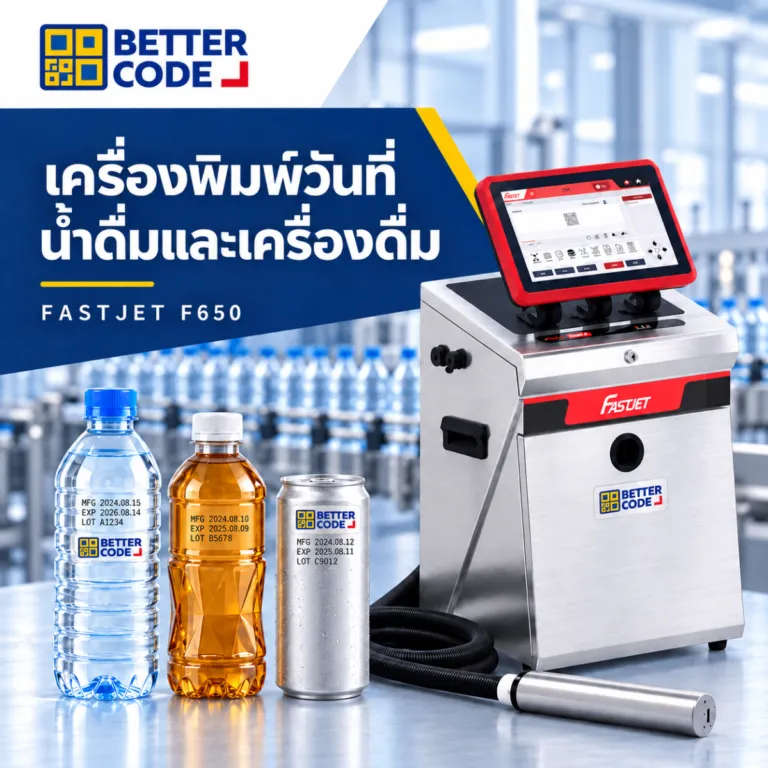
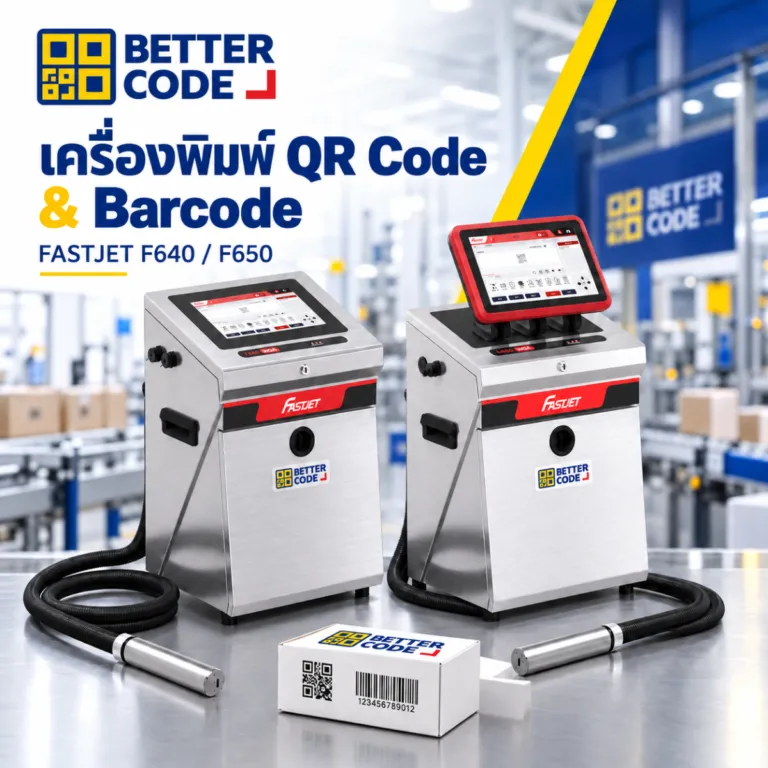
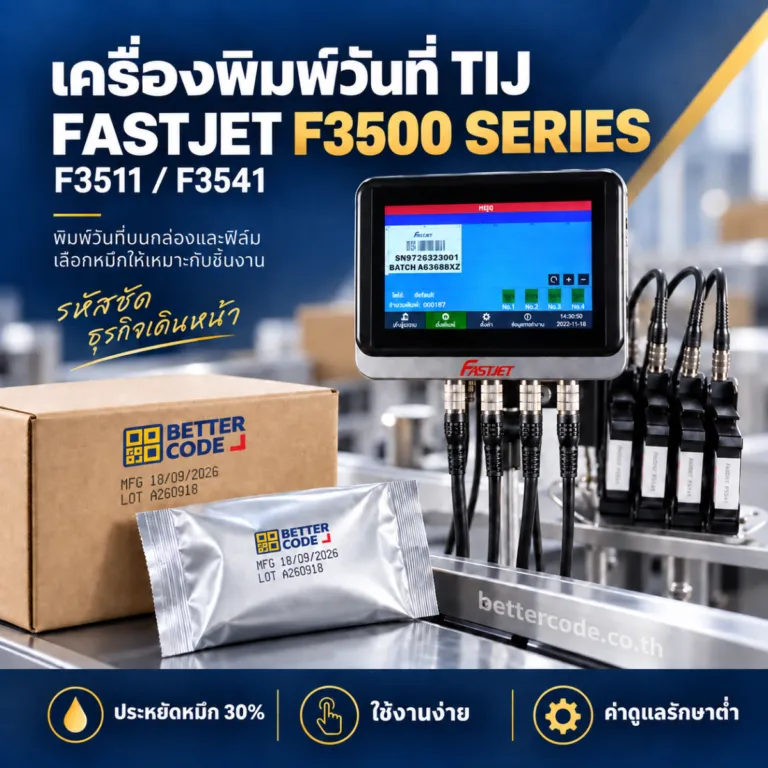
Fixed TIJ printers such as the FASTJET F3500 Series (F3511, F3521 and F3541, chosen by print area) suit cartons, labels and film where the head distance can be controlled. CIJ printers such as the FASTJET F640 and F650 suit bottles, cans, pouches and curved surfaces on continuous lines. The F640 handles up to 3 lines of text and the F650 up to 4 lines. Compare the technologies in CIJ vs TIJ vs laser: which date coder fits?
4. Laser date coders
FASTJET laser markers come in CO2, UV and fiber versions. They mark without ink, so codes are hard to remove, which suits PET bottles, cans and parts that need permanent codes. Match the laser type to the material, for example the F7100F fiber laser for metal. Read more in Laser date coding for PET bottles and cans.
How to choose a date coding gun: 5 questions
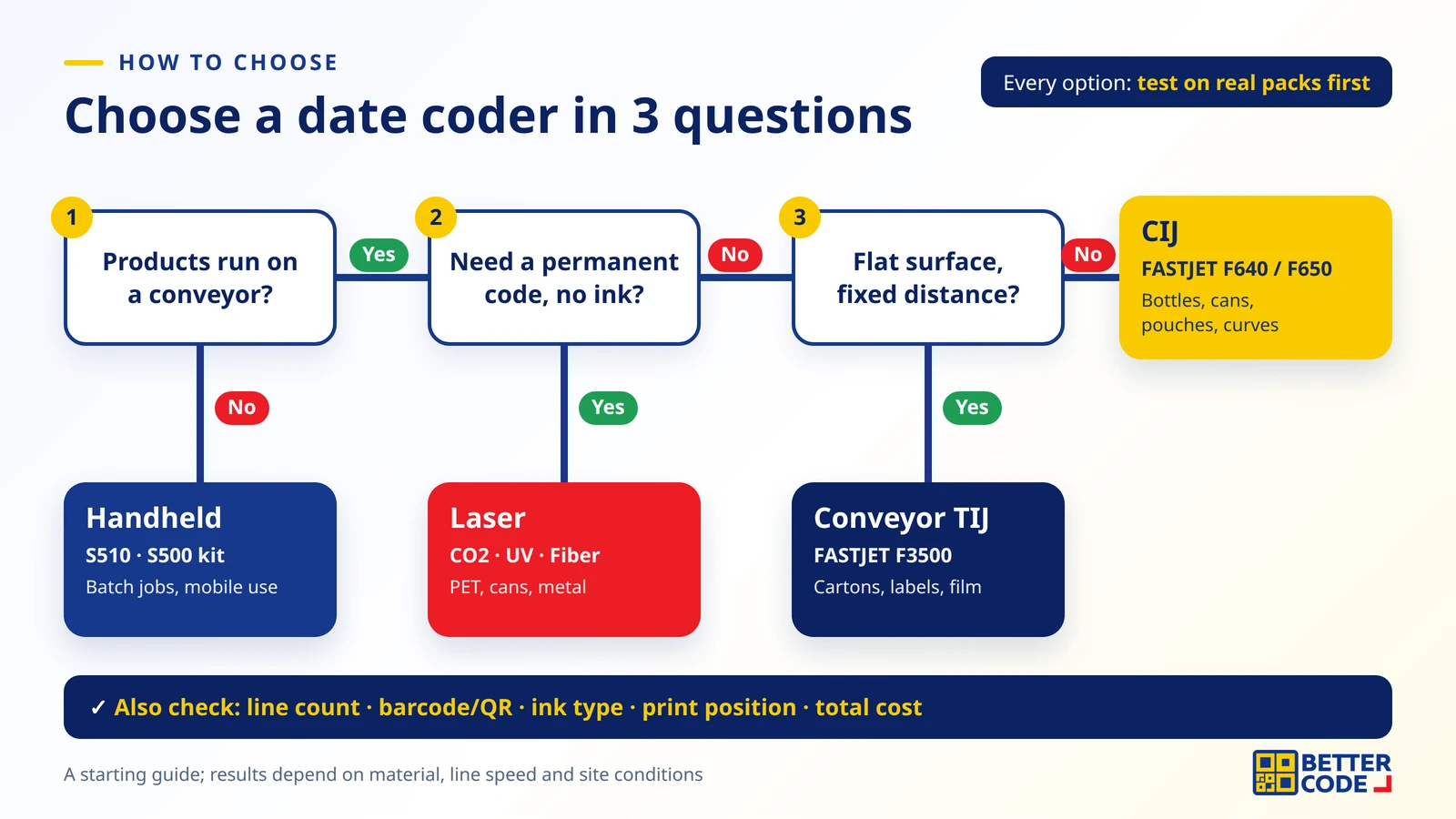
- Do products run on a conveyor, and how many per day? For batch work and moving print points, start with a handheld. For continuous production, look at conveyor coders.
- What material are you printing on? Corrugated board absorbs ink well, while plastic, film, glass, metal and glossy surfaces need an ink that adheres, or a laser. Do not rely on the material name alone; test on real packs. For PET bottles, see PET bottle date codes smudging or fading?
- How many lines, and do you need barcodes or QR codes? Line count, character size and scannable codes determine the model and print head.
- How durable must the code be? For moisture, cold, abrasion or permanent marking, choose a specialist ink or a laser. For food packaging, see Choosing date coding ink for food packaging.
- Count the total cost, not just the machine price. Include ink or cartridges, operator time, reworked packs and after-sales service. See Date coding printer prices: what determines the cost?
Which date coder to consider for your job
| Job | Start by considering |
|---|---|
| Cartons or labels printed in batches, print point moves often | Handheld date printers |
| SMEs that want to start handheld and add a conveyor later | S500 kit (handheld + conveyor) |
| Cartons or film on a conveyor with controlled head distance | FASTJET F3500 Series TIJ |
| Water bottles, cans, pouches, curved surfaces on continuous lines | FASTJET F640 / F650 CIJ · read Date coders for drinking water bottles |
| Permanent codes without ink, such as PET, cans or metal | FASTJET CO2 / UV / fiber lasers |
| Not ready to buy, or only occasional jobs | Contract date coding service |
Common mistakes before buying a date coder
- Choosing on machine price alone, then finding the ink does not stick or the printer cannot keep up with the line.
- Not testing on real packs. Plastics and films with the same name can behave differently.
- Not planning the print position, so codes land on folds, seams or places consumers cannot see. See Where should expiry dates be printed?
- Not matching the date format to the label rules. Thai food labels must use the Thai words for manufactured, expiry or best before under MOPH Notification No. 450 (B.E. 2567). Read Thai food labels: manufacturing dates, expiry dates and best before.
- No way to check codes. High-volume lines should consider vision inspection to read codes and reject packs with missing or wrong dates.
Date coding gun FAQs
What is a date coding gun?
A machine that prints manufacturing dates, expiry dates, lot numbers and other text on products or packaging. Types include handheld, conveyor (TIJ and CIJ) and laser.
Is a date coding gun different from a date coding printer?
No. They are names for the same group of equipment. “Gun” comes from inkjet coders firing ink onto the product without contact.
Can a handheld date coder print on plastic bags or bottles?
Yes, with an ink that adheres to that material, but plastic, curved or glossy surfaces must be tested on real products first. Bottles on continuous lines usually call for CIJ or laser.
Can date coders print barcodes and QR codes?
Many can, such as the S510 handheld and the F3500 Series TIJ, but test the code size and scan it with a real scanner from prints on your material.
Should I choose a handheld or a conveyor date coder?
Choose handheld for batch work and moving print points. Choose a conveyor coder when products run continuously and every pack needs a consistent code.
How much does a date coding gun cost?
It depends on the technology, model, print head, ink and mounting. Compare long-term total cost, not just the machine price, and send your job details for a quote that fits your use.
What if I am not ready to buy a machine?
For occasional jobs or a trial, use a contract date coding service, then buy a machine once your volumes are clear.
References
- Thai FDA Food Division – Food labelling rules and label examples (MOPH Notification No. 450, B.E. 2567)
- Model details for the S510, S500, FASTJET F3500, F640/F650 and FASTJET lasers come from Better Code product pages and brochures
Not sure which date coder fits your product?
Send photos of your packaging, the material, the text to print and your daily volume. Better Code will help you choose the coder and ink and run print tests on your real products before you decide.