BETTER CODE · INDUSTRIAL CODING KNOWLEDGE
CIJ vs TIJ: Which Fits Your Production Line?
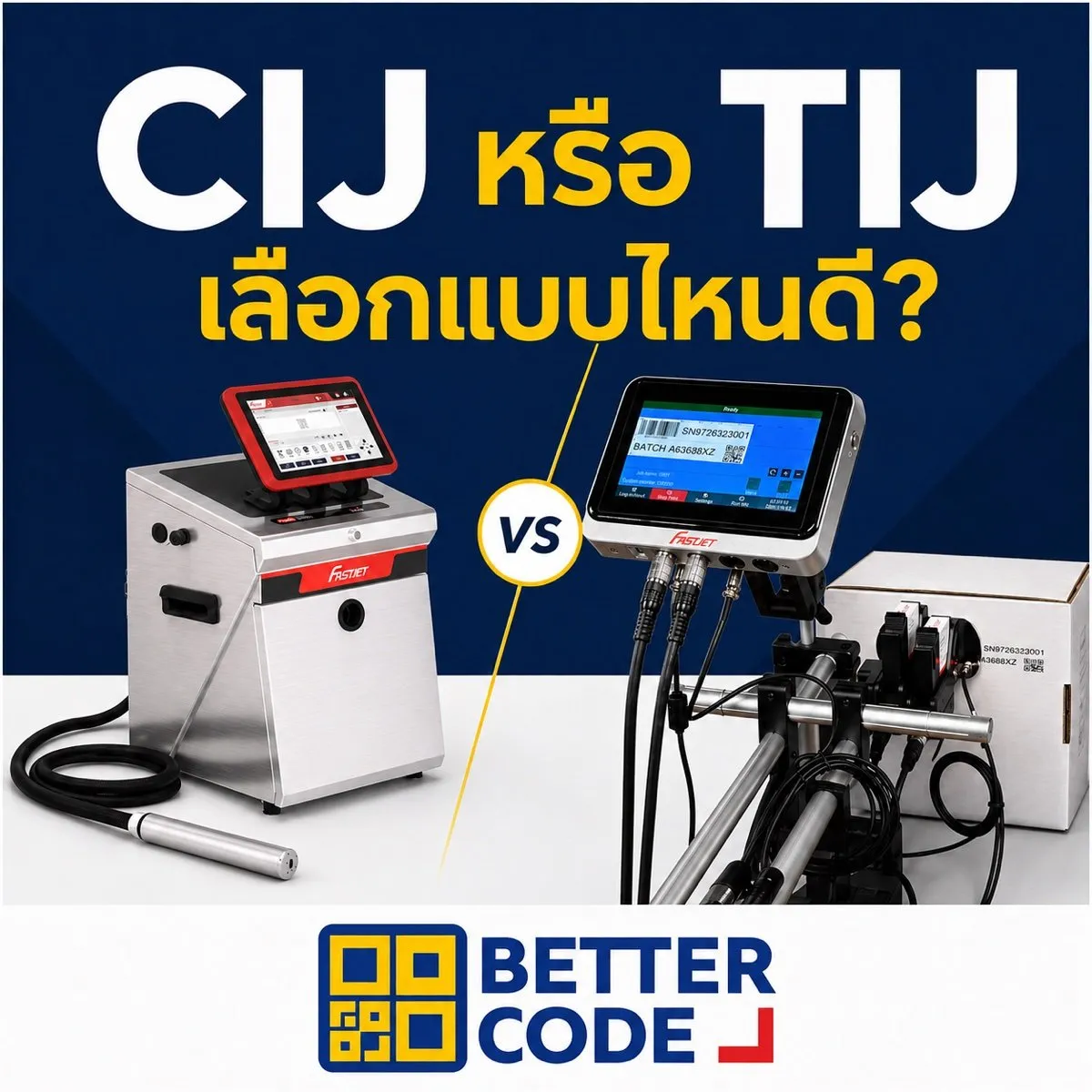
CIJ is often suitable when a line needs non-contact printing with more working clearance or curved products. TIJ is worth comparing for high-resolution text and codes where a close, stable printhead gap can be maintained.
Start with the product and message
Both technologies can be used in factories of different sizes. Material, compatible ink, speed, character size and actual operating cost matter more than the size of the business. Send the longest message and the actual packaging for trials.
When to evaluate CIJ
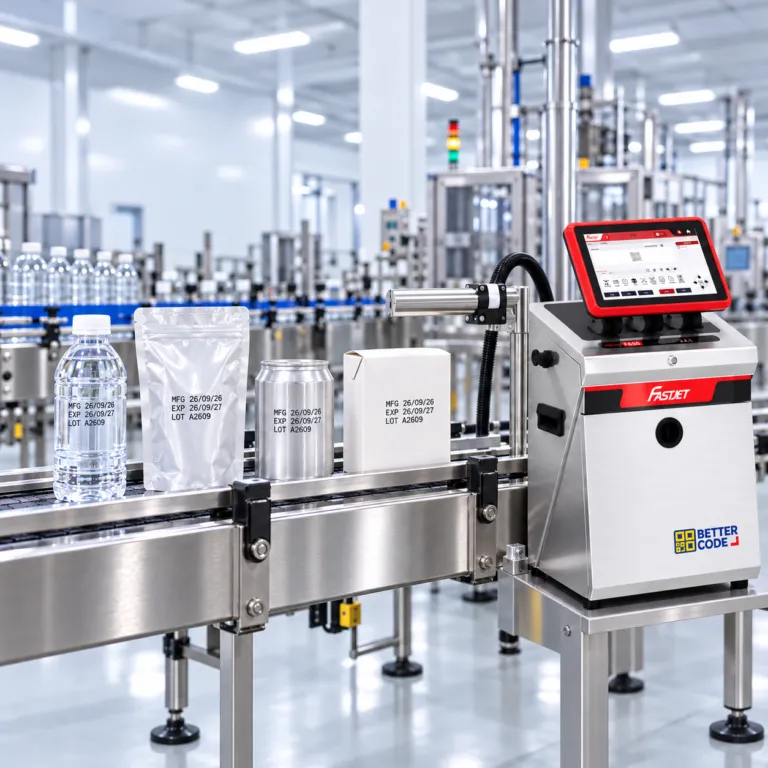
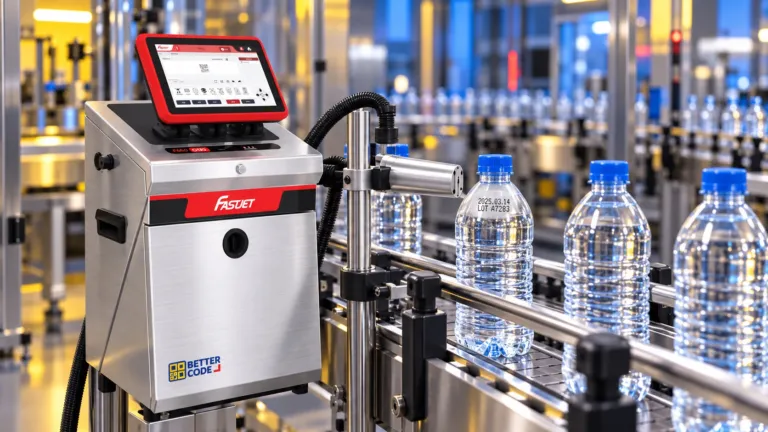
Consider continuous inkjet for moving bottles, cans and other products where a non-contact process is useful. Curvature, movement and changing print distance still need controlled trials. Specify moisture, dust and post-print handling conditions.
When to evaluate TIJ
Consider thermal inkjet for crisp characters and codes on cartons, labels or suitable films. Ink selection and a close, consistent printhead distance are important. Check available mounting space and cartridge access.
Compare total cost
Include ink or cartridges, cleaning, maintenance, spare parts, operator time and production interruptions. A low purchase price does not establish the lowest cost per acceptable print. Compare both technologies using the same message, material and speed.
Approve an actual production test
Check drying, adhesion, alignment and code reading at normal and peak speeds. Repeat the assessment after packing and storage. Select the model only after the sample results and installation requirements are clear.
Frequently asked questions
Must a small business use TIJ?
No. Technology should follow the application and operating conditions, not business size.
Which gives the best code?
That depends on the required symbol, material, print size, ink and speed. Compare actual printed and scanned samples.